
Business World
4 Strategic Sectors Shaping the Future of Germany-Turkey Trade
The trade volume between Germany and Turkey is nearing a historic $60 billion milestone. However, the nature of this partnership is undergoing a fundamental shift. Driven by the European Green Deal and the acceleration of digital transformation, the traditional “low-cost manufacturing” model is being replaced by high-tech, sustainable collaboration

For investors and businesses looking toward the 2026-2030 horizon, these four sectors represent the most significant growth opportunities for cross-border partnerships.
1. Green Energy and the Hydrogen Economy
Germany’s ambitious 2030 climate targets are repositioning Turkey as a critical “Green Energy Hub.” Beyond the established solar and wind sectors, the next five years will be dominated by Green Hydrogen production and logistics.
- Market Context: Germany set a record in H1 2025 by installing 7.1 GW of solar capacity. Simultaneously, Turkey has climbed into Europe’s top 4 for wind power expansion.
- The Synergy: Combining German engineering with Turkey’s vast geographical potential for renewables creates a massive playground for “Power-to-X” projects and green energy exports.
2. Sustainable Automotive & Battery Tech
The role of Turkish suppliers is evolving from “parts manufacturing” to “software and battery-centric” development. The momentum initiated by Turkey’s domestic EV brand, Togg, is now compelling German automotive giants to transition their Turkish supply chains toward full electrification.
- The CBAM Factor: The EU’s Carbon Border Adjustment Mechanism (CBAM) will effectively sideline suppliers who fail to adopt green manufacturing. Companies that pivot to carbon-neutral production now will secure a dominant market share by 2026.
3. AI-Driven Logistics and SaaS Exports
The intersection of Germany’s labor shortage and Turkey’s burgeoning tech ecosystem is creating a new era of “Service Exports.” Turkish SaaS (Software as a Service) startups, particularly those optimizing e-commerce logistics, are seeing unprecedented growth in the German market.
- Success Stories: In 2025, Turkish tech ventures like Poltio, Togdar, and Kogdem received industry awards in Germany. These companies serve as a blueprint for the next generation of Turkish “unicorns” entering the EU via the German gateway.
4. Agri-Tech and Food Security
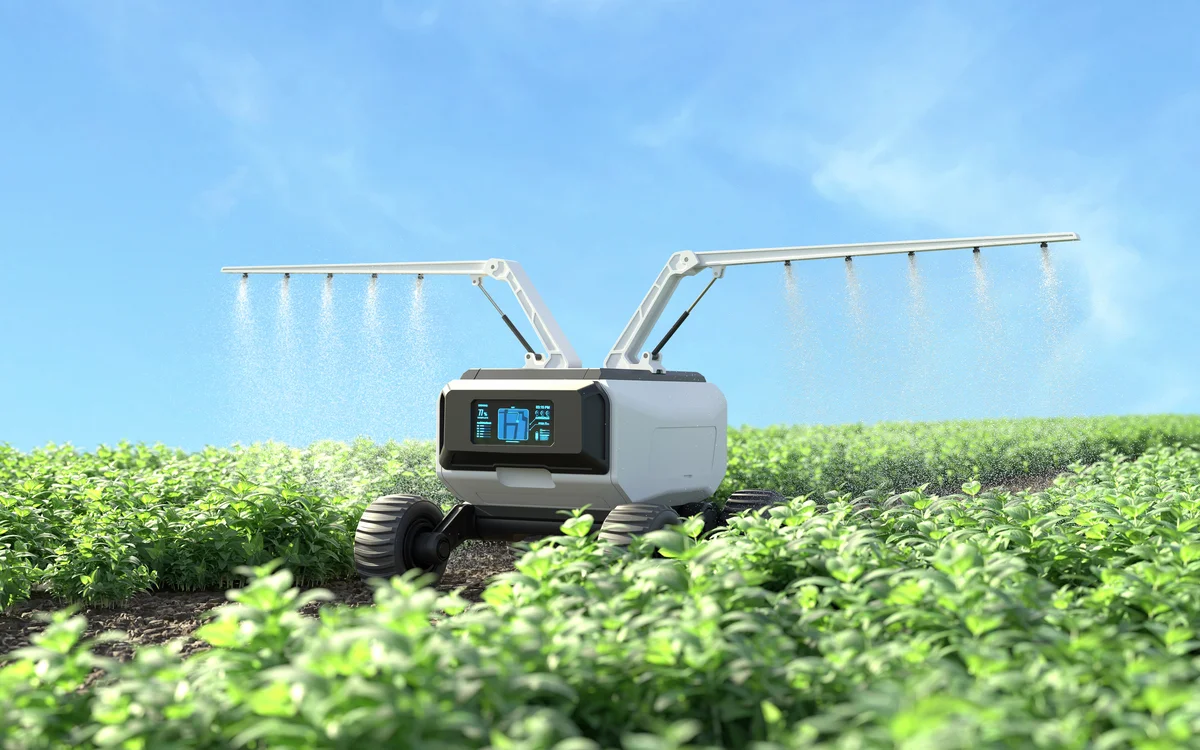
As the climate crisis threatens global supply chains, the Turkey-Germany food trade is moving toward “Smart Farming.” The focus is shifting from raw exports to high-tech agricultural solutions.
- Innovation: Vertical farming and drought-resistant irrigation technologies are becoming the new frontier for joint ventures, ensuring food security for the German market while leveraging Turkish agricultural expertise.
Key Takeaway: The End of the “Cheap Labor” Era
For Turkish firms eyeing the German market, the competitive advantage is no longer “cheap labor”—it is a low carbon footprint. Moving forward, sustainability credentials and digital integration will be the primary prerequisites for doing business with Europe’s largest economy.
Related Posts













Turkey‑Iraq Pipeline Deal Eases Global Oil Crisis Pressure
The resumption of Kirkuk oil exports via Turkey offers relief to volatile global energy markets amid Middle East tensions.


Turkey’s Best-Selling Car Brand Revealed by Official Data
New data from the Turkish Statistical Institute (TÜİK) reveals the best-selling car brand in Turkey and highlights the most popular...

Crypto Trading in Turkey Nears $200 Billion
Turks are increasingly turning to crypto investments as millions of people enter the digital asset market. With Turkey’s annual crypto...


Google launches AI marketing tool Pomelli
Google has introduced Pomelli, a new AI-powered marketing tool that can automatically create ads, visuals and social media posts after...
How to Produce Quality Content in Times of Crisis
Aslı Yirsutimur | Digital Content Manager Content production is often seen as a task for calmer times. Yet in reality,...

Turkey Holds Interest Rate at 37%, Pausing Nine-Month Easing Cycle
The Central Bank of the Republic of Türkiye (CBRT) announced its second interest-rate decision of the year, keeping the policy...
The Invisible Compass of Leadership in the VUCA Age
Alpay İlker Toy | International Business Development and Strategy Consultant For a generation raised within the massive, rigid, and hierarchical...
The Great Silence: Why Startup Insolvency Reports Have (Seemingly) Dropped
Yeşim Çevik | trbusiness.de Germany Representative From “Burn Rate” to Strategic Resilience: While mid-sized industrial companies buckle under the pressure...

“You Can’t Go Global Without Leaving Your Comfort Zone”
We spoke with Ersoy Soyer, founder of Nexrone, about his entrepreneurial journey, the strengths and weaknesses of Turkey’s startup ecosystem,...


War Drives Up Pump Prices Across Germany
Escalating military tensions between Iran and the United States continue to shake global energy markets, with the effects now clearly...