
News
Farewell to the Lev: When Will Bulgaria Officially Adopt the Euro?
The Bulgarian economy is approaching a historic milestone. As one of the European Union’s fastest-growing members in Eastern Europe, Bulgaria is preparing to phase out its national currency, the Bulgarian Lev (BGN). This transition is set to reshape trade dynamics in the Balkans and carries significant implications for regional commerce, foreign investment, and tourism.

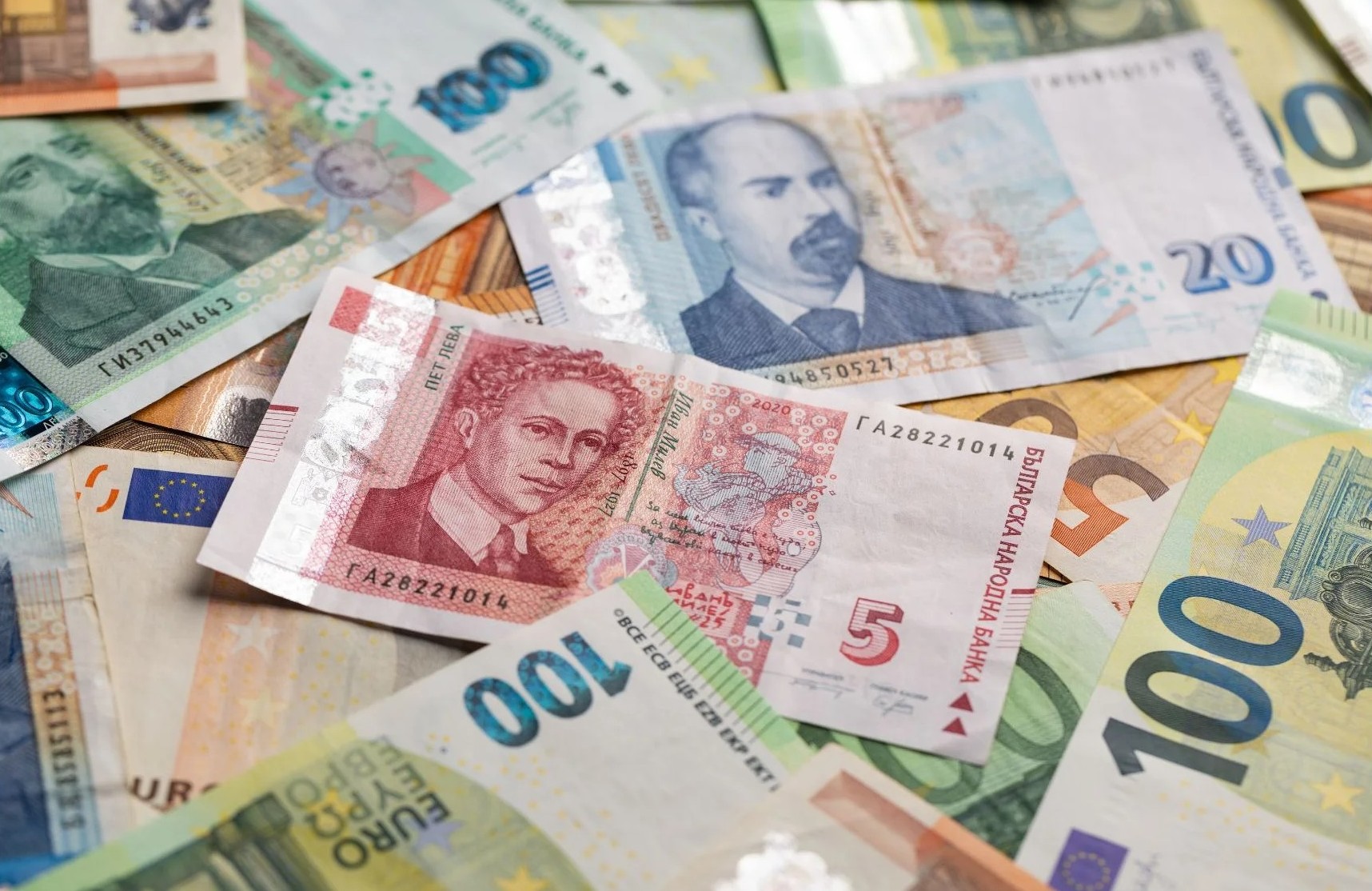
The Bulgarian government has intensified its efforts to join the Eurozone. According to official roadmaps and national strategic plans, Bulgaria aims to officially adopt the Euro on January 1, 2026. While the initial target was 2025, the timeline was adjusted by one year to ensure full compliance with inflation criteria and to maintain political stability during the transition.
The Phase-Out: What Happens to the Lev?
The transition to the Euro will not happen overnight. To ensure a smooth adjustment for businesses and consumers, a gradual process will be implemented:
For the first month following the official adoption, both the Lev and the Euro will circulate simultaneously as legal tender.To prevent unfair pricing and protect consumers, businesses will be required to display prices in both BGN and EUR several months before the official switch.The Bulgarian National Bank has committed to exchanging Leva for Euro at the official rate indefinitely, ensuring that no value is lost.
Fixed Exchange Rate Stability
Bulgaria has operated under a “Currency Board” regime for decades, effectively pegging the Lev to the Euro. To maintain economic stability, the transition will be executed at the current central rate of 1 EUR = 1.95583 BGN.
Regional Impact: Focus on Trade and Investment
The shift to the Euro is expected to have a ripple effect on neighboring economies, particularly Turkey, given the high volume of cross-border trade in cities like Edirne.
For exporters and logistics companies, the use of a single currency eliminates exchange rate volatility and reduces transaction costs.
The evolution of Bulgarian consumer purchasing power post-Euro adoption will be a critical factor for the regional tourism sector.
For international investors holding real estate or business assets in Bulgaria, having assets denominated in Euro is viewed as a significant long-term advantage and a hedge against currency risk.
Conclusion: Finalizing European Integration
The retirement of the Bulgarian Lev marks the final step in Bulgaria’s full economic integration into the European fold. Investors and business professionals operating in the region are advised to review their cash positions and commercial contracts ahead of the 2026 deadline.
Related Posts







Metehan Türkay: Real life is much funnier than my content
On one side, B2B sales processes for over 140 companies; on the other, social media content poking fun at the...


Aslı Gümüşel: Looks sell the first bottle. The product sells the second.
Aslı Gümüşel, who has expanded Ashley Joy into 15 countries, spoke to Trbusiness.de about her entrepreneurial journey, the invisible hurdles...
Türkiye Launches AI Revolution: 1 Trillion TL Investment in the Future of Technology
Yeşim Çevik | trbusiness.de Germany Representative Looking at the global startup and venture capital scene, I see a clear picture:...


A Timeless Experience in the Heart of the City
Abdullah Şancı, General Manager of Ramada by Wyndham Istanbul Old City, spoke with trbusiness.de about the changing dynamics of Istanbul...
AI in Logistics: Turkish AI Startup Raises $3.2 Million
Yeşim Çevik | trbusiness.de Germany Representative Founded in 2025, Munich-based startup 5U AI has raised more than €2.7 million ($3.2...
Why Does the Best Offer No Longer Win?
Onur Kurtay | Founder of Nexon Global Strategy Office For years, there was a fixed equation in the minds of...
Global Expansion: Timing Decides Everything
Yeşim Çevik | trbusiness.de Germany Representative Why international expansion requires more strategy than courage “We are entering the US market...


Türkiye Higher Education Employment Indicators 2025: Medicine and Aviation Lead Job Market Success
New official employment data reveals Türkiye’s top-paying university degrees, fastest-hiring career sectors, and graduate job market trends for 2025.


“Technological Transformation is No Longer Measured in Years, but in Months”
Celalettin Kayahan, Board Member of TSMC Holding, speaks to trbusiness.de about his journey from the textile industry to high-tech ventures,...
You Don’t Export to Germany; You Build Systems There
Onur Kurtay | Founder of Nexon Global Strategy Office Germany is the country to which Turkey exports the most. This...