
News
Turkey‑Iraq Pipeline Deal Eases Global Oil Crisis Pressure
The resumption of Kirkuk oil exports via Turkey offers relief to volatile global energy markets amid Middle East tensions.

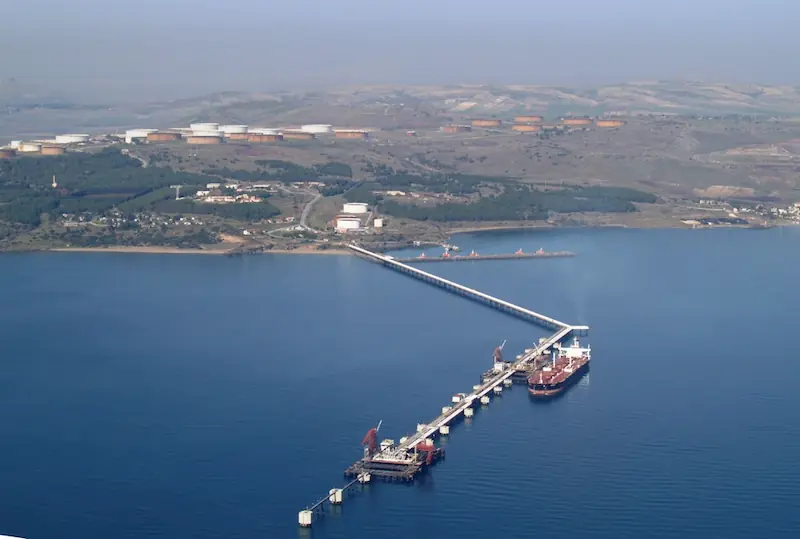
Global crude oil prices eased on Wednesday after Baghdad and the semi‑autonomous Kurdish Regional Government (KRG) reached an agreement to resume exports via a northern pipeline through Turkey, offering a partial solution to supply constraints exacerbated by regional geopolitical instability.
The deal allows Iraqi oil from the Kirkuk fields to flow once more through the Turkey‑Ceyhan pipeline, bypassing the conflict‑affected Strait of Hormuz, which has been under severe disruption due to ongoing hostilities in the region. Brent crude futures slipped toward the $100 per barrel level, while U.S. West Texas Intermediate (WTI) crude also retraced earlier gains.
Alternative Export Route Reduces Supply Concerns
Analysts say the resumption of pipeline exports provides much‑needed relief for energy markets that have been coping with elevated prices and volatility following disruptions to shipments through the strategically vital Strait of Hormuz. The agreement between the Iraqi federal government and the KRG will initially facilitate exports of around 100,000 to 250,000 barrels per day, offering buyers a supplemental source outside seaborne routes currently constrained by regional tensions.
Market reaction was cautious but broadly positive, with traders noting that while the pipeline volumes do not fully replace lost flows from the Gulf, they help dampen immediate supply fears and temper price spikes. Some market benchmarks showed Brent dipping modestly from recent highs, while overall volatility moderated.
Geopolitical Backdrop Keeps Markets on Edge
The backdrop to the renewed oil flows includes escalating military tensions involving Iran, which has disrupted traditional export corridors. Reports indicate that the Tehran‑centered conflict and associated attacks near Hormuz had previously tightened global crude availability, pushing futures significantly higher earlier this month.
Despite the progress in northern Iraq, energy market watchers caution that long‑term stability remains uncertain. Most Iraqi crude production still originates in the south of the country and historically transits through Hormuz for export. Without a durable resolution to broader regional hostilities, alternative routes like the Turkey pipeline are unlikely to fully offset supply risks.
Outlook for Energy Markets
Investment strategists say the Turkey‑Iraq export arrangement may serve as a model for mitigating short‑term crisis impacts, but substantial price rebalancing will likely require both increased output and de‑escalation of geopolitical pressures. For travel‑dependent sectors and global supply chains, any sustained drop in crude prices could help ease inflationary pressures on transport and freight costs in the months ahead.
Related Posts







ECB Holds Rates Steady
The European Central Bank has left interest rates unchanged, citing persistent inflation risks and rising energy prices while signaling a...

Turkey‑Iraq Pipeline Deal Eases Global Oil Crisis Pressure
The resumption of Kirkuk oil exports via Turkey offers relief to volatile global energy markets amid Middle East tensions.


Turkey’s Best-Selling Car Brand Revealed by Official Data
New data from the Turkish Statistical Institute (TÜİK) reveals the best-selling car brand in Turkey and highlights the most popular...

Crypto Trading in Turkey Nears $200 Billion
Turks are increasingly turning to crypto investments as millions of people enter the digital asset market. With Turkey’s annual crypto...


Google launches AI marketing tool Pomelli
Google has introduced Pomelli, a new AI-powered marketing tool that can automatically create ads, visuals and social media posts after...
How to Produce Quality Content in Times of Crisis
Aslı Yirsutimur | Digital Content Manager Content production is often seen as a task for calmer times. Yet in reality,...


Turkey Holds Interest Rate at 37%, Pausing Nine-Month Easing Cycle
The Central Bank of the Republic of Türkiye (CBRT) announced its second interest-rate decision of the year, keeping the policy...
The Invisible Compass of Leadership in the VUCA Age
Alpay İlker Toy | International Business Development and Strategy Consultant For a generation raised within the massive, rigid, and hierarchical...
The Great Silence: Why Startup Insolvency Reports Have (Seemingly) Dropped
Yeşim Çevik | trbusiness.de Germany Representative From “Burn Rate” to Strategic Resilience: While mid-sized industrial companies buckle under the pressure...


“You Can’t Go Global Without Leaving Your Comfort Zone”
We spoke with Ersoy Soyer, founder of Nexrone, about his entrepreneurial journey, the strengths and weaknesses of Turkey’s startup ecosystem,...