
News
Germany to Raise Minijob Income Threshold to €603 in 2026
Germany will increase the income threshold for minijob employment to €603 per month in 2026, a change that will affect approximately 6.9 million workers. The reform is expected to expand earning opportunities within the country’s low-income, flexible employment model. But what exactly is a minijob, and how many people rely on this system in Germany?

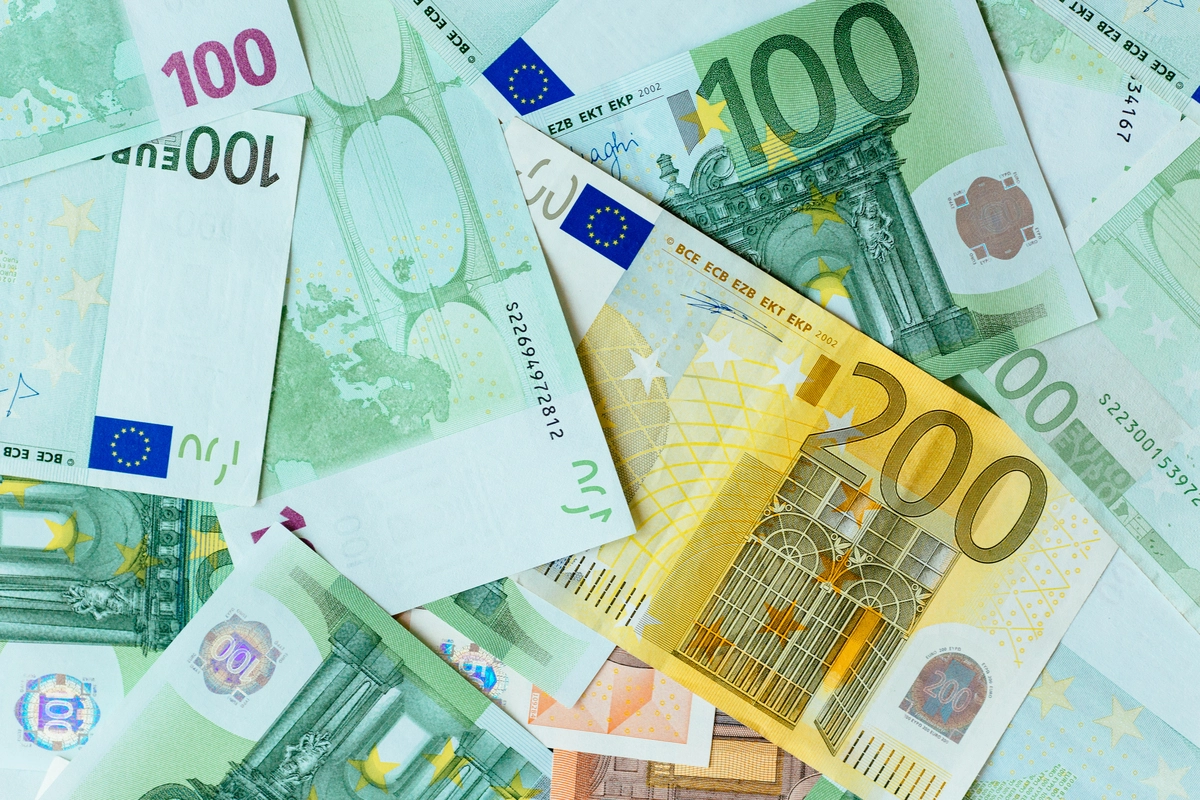
The German federal government has confirmed that the monthly earnings cap for minijob employees will rise to €603 starting 1 January 2026. The adjustment is directly tied to increases in the statutory minimum wage and is designed to offer both employers and employees a broader earning margin within the minijob framework.
The higher limit will allow workers to earn more without leaving this employment category, which is particularly attractive due to its reduced social security obligations.
What Is a Minijob and How Many People Work in One?
A minijob is a form of marginal employment in Germany characterized by limited working hours, reduced social insurance contributions, and a strict monthly income ceiling. It is widely used by students, retirees, and part-time workers seeking supplementary income.
Don’t Miss
Lahmacun Officially Registered as a Protected Culinary
Can Germany and Turkey Truly Complement Each Other?
Currently, an estimated 6.9 million people hold a minijob, making it one of the most common forms of flexible employment in the country. The new regulation will therefore have a direct impact on the financial planning of millions of households.
Under the revised system, employees will be able to earn more while remaining within the minijob category, while employers will be required to adjust payroll calculations accordingly. The government has also announced that the threshold will rise again in 2027, reaching €633, in line with the planned increase in the statutory minimum wage.
Germany’s Minijob 2026 reform represents a significant improvement for low-income and flexible workers, offering enhanced financial stability. The change is expected to influence a large segment of the labor market, affecting both workers’ purchasing power and employers’ operational planning.
Related Posts





ECB Holds Rates Steady
The European Central Bank has left interest rates unchanged, citing persistent inflation risks and rising energy prices while signaling a...


Turkey‑Iraq Pipeline Deal Eases Global Oil Crisis Pressure
The resumption of Kirkuk oil exports via Turkey offers relief to volatile global energy markets amid Middle East tensions.


Turkey’s Best-Selling Car Brand Revealed by Official Data
New data from the Turkish Statistical Institute (TÜİK) reveals the best-selling car brand in Turkey and highlights the most popular...

Crypto Trading in Turkey Nears $200 Billion
Turks are increasingly turning to crypto investments as millions of people enter the digital asset market. With Turkey’s annual crypto...


Google launches AI marketing tool Pomelli
Google has introduced Pomelli, a new AI-powered marketing tool that can automatically create ads, visuals and social media posts after...
How to Produce Quality Content in Times of Crisis
Aslı Yirsutimur | Digital Content Manager Content production is often seen as a task for calmer times. Yet in reality,...


Turkey Holds Interest Rate at 37%, Pausing Nine-Month Easing Cycle
The Central Bank of the Republic of Türkiye (CBRT) announced its second interest-rate decision of the year, keeping the policy...
The Invisible Compass of Leadership in the VUCA Age
Alpay İlker Toy | International Business Development and Strategy Consultant For a generation raised within the massive, rigid, and hierarchical...
The Great Silence: Why Startup Insolvency Reports Have (Seemingly) Dropped
Yeşim Çevik | trbusiness.de Germany Representative From “Burn Rate” to Strategic Resilience: While mid-sized industrial companies buckle under the pressure...


“You Can’t Go Global Without Leaving Your Comfort Zone”
We spoke with Ersoy Soyer, founder of Nexrone, about his entrepreneurial journey, the strengths and weaknesses of Turkey’s startup ecosystem,...