
Columnists
Can Germany and Turkey Truly Complement Each Other?

Harun Yazici – Editor in Chief
Trying to understand an economy solely through numbers, charts, and growth rates is a limited effort. Behind every economy stands the human being — and human behavior is shaped by culture and sociology.
From this perspective, the differences between Turkey and Germany are not only economic but deeply sociological. And perhaps, that’s exactly why the two countries could, in fact, perfectly complement each other.
Sociologically speaking, we Turks think fast, act pragmatically, and are emotional yet flexible. These traits give us great advantages in entrepreneurship and crisis management. Yet, our speed sometimes comes with a lack of planning and sustainability.
Germans, on the other hand, are systematic, rational, and rule-oriented. Germany’s success in engineering stems from its ability to think long-term.
But that very “slowness” can also mean resistance to change and delays in innovation — as we still see in areas like digitalization.
When I first arrived in Germany, my health insurance provider, AOK, became something like my pen pal. I guess it has found new friends by now!
You can spot the sociological contrast between the two nations even at a supermarket checkout. A Turk prepares the money while waiting in line; a German starts searching for their wallet only when it’s their turn. A small observation — yet a perfect summary of the different perceptions of time.
The dynamism of the Turkish economy largely draws from emotional consumer reactions. There’s a kind of “disproportionate spending culture”: one moment people talk about economic crisis, the next, cafés are full.
In Germany, saving discipline is the foundation of the economy. Germans think before they spend; Turks spend before they think.
But within this difference lies enormous potential. If Turkey’s youthful energy and consumption drive could merge with Germany’s financial discipline and technological infrastructure, we might see the birth of a remarkable economic synergy.
Don’t you think?
Germany, despite being Europe’s largest economy, struggles to translate its economic strength into political influence. Turkey, conversely, manages to expand its cultural footprint despite ongoing economic challenges. Through its TV series, cuisine, language, and diaspora, Turkey wields “soft power” impressively well.
This dynamic shows how much the two nations need each other. Germany could benefit from emotional intelligence and cultural influence, while Turkey could gain from systematic thinking and institutional consistency.
The Berlin Brandenburg Airport, unfinished for years, has become a symbol of German over-planning — every detail considered, yet time slipping away.
Meanwhile, the Istanbul Airport was completed in record time, driven by fast decision-making and strong will. One stands for “slow but perfect,” the other for “fast but bold.”
Maybe the ideal model lies somewhere in between.
Throughout history, Germany and Turkey have touched but never truly merged as socio-economic models.
If Turkish pragmatism could blend with German planning, if emotional and rational intelligence could walk hand in hand — we might not only achieve economic balance, but also a more human-centered equilibrium.
Perhaps the “perfect country” lies somewhere between these two identities — but we haven’t quite reached it yet.
Related Posts






Metehan Türkay: Real life is much funnier than my content
On one side, B2B sales processes for over 140 companies; on the other, social media content poking fun at the...


Aslı Gümüşel: Looks sell the first bottle. The product sells the second.
Aslı Gümüşel, who has expanded Ashley Joy into 15 countries, spoke to Trbusiness.de about her entrepreneurial journey, the invisible hurdles...
Türkiye Launches AI Revolution: 1 Trillion TL Investment in the Future of Technology
Yeşim Çevik | trbusiness.de Germany Representative Looking at the global startup and venture capital scene, I see a clear picture:...
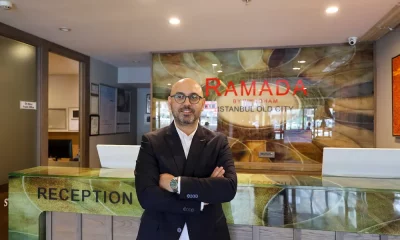

A Timeless Experience in the Heart of the City
Abdullah Şancı, General Manager of Ramada by Wyndham Istanbul Old City, spoke with trbusiness.de about the changing dynamics of Istanbul...
AI in Logistics: Turkish AI Startup Raises $3.2 Million
Yeşim Çevik | trbusiness.de Germany Representative Founded in 2025, Munich-based startup 5U AI has raised more than €2.7 million ($3.2...
Why Does the Best Offer No Longer Win?
Onur Kurtay | Founder of Nexon Global Strategy Office For years, there was a fixed equation in the minds of...
Global Expansion: Timing Decides Everything
Yeşim Çevik | trbusiness.de Germany Representative Why international expansion requires more strategy than courage “We are entering the US market...


Türkiye Higher Education Employment Indicators 2025: Medicine and Aviation Lead Job Market Success
New official employment data reveals Türkiye’s top-paying university degrees, fastest-hiring career sectors, and graduate job market trends for 2025.
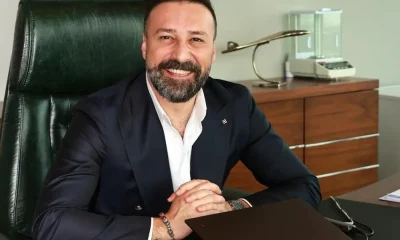

“Technological Transformation is No Longer Measured in Years, but in Months”
Celalettin Kayahan, Board Member of TSMC Holding, speaks to trbusiness.de about his journey from the textile industry to high-tech ventures,...
You Don’t Export to Germany; You Build Systems There
Onur Kurtay | Founder of Nexon Global Strategy Office Germany is the country to which Turkey exports the most. This...