
Business World
Could Business Model Export Become the Competitive Advantage of the Future? | Analysis
Franchising has evolved beyond the traditional dealership model, emerging as a strategic investment economy that enables brands to scale. But could the export of business models become the competitive arena of the future?


Harun Yazıcı | Editor in Chief, trbusiness.de
The franchise model is moving beyond the traditional concept of franchising and licensing, becoming one of the most important tools for global business growth.
The insights of Özhan Erem, Chairman of the Board of Medyafors A.Ş., and Greg Flynn, one of the leading figures in the global franchise industry, highlight the critical role of building structured systems in creating and scaling successful brands.
The Franchise Economy Is Transforming into a Global Investment Model
As entrepreneurship models continue to evolve worldwide, franchising is emerging as a stronger growth strategy for both investors and brands.
Today, simply offering a product or service is no longer enough. Brands that can standardize their operations, adapt their business models to different markets, and build strong investor networks are gaining significant opportunities for faster and more sustainable growth.
The rise of the franchise economy is creating new opportunities, particularly for countries such as Türkiye, which have a strong entrepreneurial culture. Brands are no longer exporting only their products; they are increasingly exporting their business models, operational expertise, and customer experiences to international markets.
Özhan Erem: “Success Depends on the Ability to Build a System”
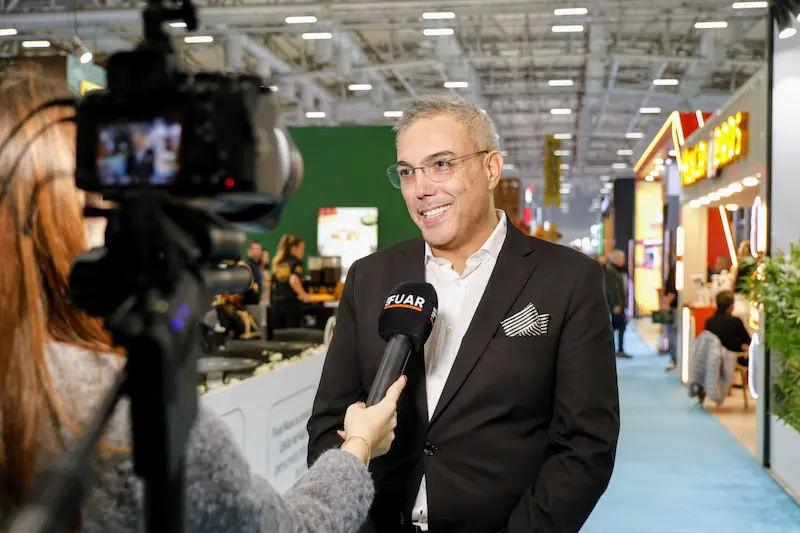
Özhan Erem | Chairman of the Board, Medyafors A.Ş.
According to Özhan Erem, Chairman of the Board of Medyafors A.Ş., the true value of a franchise model does not simply lie in opening new locations, but in creating a sustainable and replicable business system.
Erem emphasizes that successful franchise structures are built around key elements such as consistent brand standards, effective operational management, comprehensive training infrastructure, continuous support for franchise partners, and measurable performance indicators.
According to Erem, one of the biggest challenges for businesses transitioning into a franchise model is transforming their success from a structure dependent on individuals into a corporate system that can be replicated and managed professionally.
He highlights that sustainable growth can only be achieved through systemization.
In Erem’s view, a franchise investor does not simply acquire a brand name or a store concept. They invest in a proven business model, operational know-how, and an established growth framework. This approach represents the foundation of the next generation of franchising.
The Greg Flynn Example: How a Franchise Investment Became a Global Business
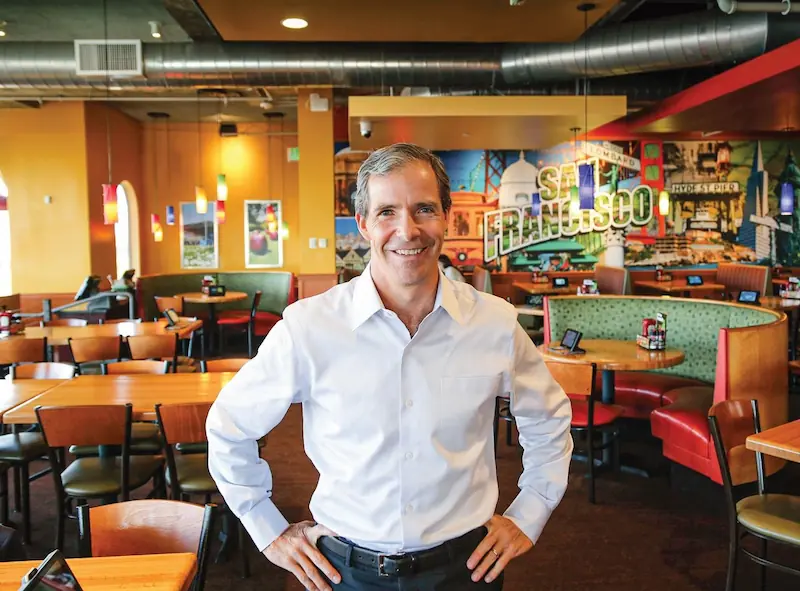
Greg Flynn | Founder and CEO, Flynn Group
One of the most striking examples demonstrating the investment potential of the franchise economy is the growth story of US entrepreneur Greg Flynn.
The example of Flynn, highlighted in an analysis by The Economist, demonstrates how the franchise model can enable an individual investor to evolve into a large-scale business operator.
A graduate of Stanford Business School, Flynn chose entrepreneurship and franchise investment over traditional career paths. Over time, he became one of the world’s largest franchise operators.
Under Flynn’s leadership, Flynn Group expanded into a global franchise organization operating thousands of locations through brands such as Applebee’s, Taco Bell, Panera, Wendy’s, and other concepts.
The key factor behind Flynn’s success was not creating a new brand from scratch, but rather his ability to scale established franchise systems through strong operational capabilities and disciplined management.
“Being Your Own Boss — But Not Being Alone”
One of the key points highlighted in The Economist’s franchise analysis is that franchising provides entrepreneurs with independence while also offering institutional support.
In traditional entrepreneurship, investors often need to build everything from scratch — including brand development, supply chains, marketing systems, and operational processes.
The franchise model, however, provides many of these essential components through an established structure.
From Greg Flynn’s perspective, the advantages of franchising are built on three main pillars: strong brand recognition, proven operating systems, and scalable growth opportunities.
The Competition of the Future: Exporting Business Models, Not Just Products
According to experts, the companies that succeed in the future will not only be those producing high-quality products. The winners will be brands that can make their value proposition repeatable and scalable across different markets.
The perspectives of Özhan Erem on the franchise economy and Greg Flynn’s global growth model converge around a common principle:
Successful franchise systems create growth opportunities for brands while providing investors with a structured path to entrepreneurship.
The franchise economy is expected to become more than a traditional distribution model in the coming years. It is evolving into a strategic growth ecosystem that brings together brands, capital, operational expertise, and entrepreneurship.
The future of competition may not only depend on what companies produce — but also on how effectively they can export their business models.
Related Posts








Türkiye Launches AI Revolution: 1 Trillion TL Investment in the Future of Technology
Yeşim Çevik | trbusiness.de Germany Representative Looking at the global startup and venture capital scene, I see a clear picture:...
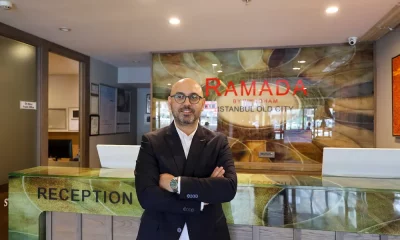

A Timeless Experience in the Heart of the City
Abdullah Şancı, General Manager of Ramada by Wyndham Istanbul Old City, spoke with trbusiness.de about the changing dynamics of Istanbul...
AI in Logistics: Turkish AI Startup Raises $3.2 Million
Yeşim Çevik | trbusiness.de Germany Representative Founded in 2025, Munich-based startup 5U AI has raised more than €2.7 million ($3.2...
Why Does the Best Offer No Longer Win?
Onur Kurtay | Founder of Nexon Global Strategy Office For years, there was a fixed equation in the minds of...
Global Expansion: Timing Decides Everything
Yeşim Çevik | trbusiness.de Germany Representative Why international expansion requires more strategy than courage “We are entering the US market...


Türkiye Higher Education Employment Indicators 2025: Medicine and Aviation Lead Job Market Success
New official employment data reveals Türkiye’s top-paying university degrees, fastest-hiring career sectors, and graduate job market trends for 2025.


“Technological Transformation is No Longer Measured in Years, but in Months”
Celalettin Kayahan, Board Member of TSMC Holding, speaks to trbusiness.de about his journey from the textile industry to high-tech ventures,...
You Don’t Export to Germany; You Build Systems There
Onur Kurtay | Founder of Nexon Global Strategy Office Germany is the country to which Turkey exports the most. This...


Türkiye’s Franchise Market Opens Its Doors to Institutional Capital
Türkiye’s franchise market is entering a new investment era as Be My Franchise 2026 launches its Private Investor Club, bringing...


Could Business Model Export Become the Competitive Advantage of the Future? | Analysis
Franchising has evolved beyond the traditional dealership model, emerging as a strategic investment economy that enables brands to scale. But...