
Interview
“You Can’t Go Global Without Leaving Your Comfort Zone”
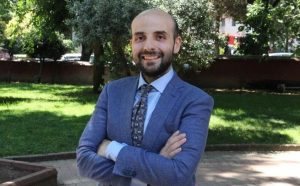
We spoke with Ersoy Soyer, founder of Nexrone, about his entrepreneurial journey, the strengths and weaknesses of Turkey’s startup ecosystem, and the strategies companies should follow when expanding into global markets.

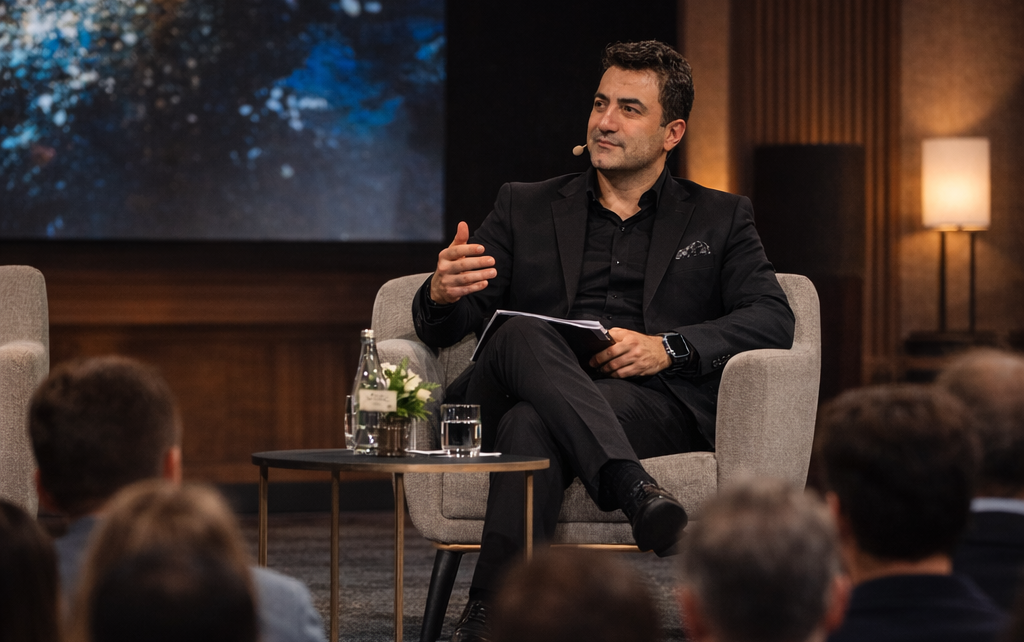
Interview: Yeşim Çevik
While entrepreneurship and the technology ecosystem in Turkey are growing rapidly, the number of companies achieving long-term success in global markets is still limited. Why, then, are Turkish startups not as visible on the world stage as they could be?
In this interview with Nexrone founder Ersoy Soyer, we discuss his entrepreneurial story that began in childhood, the real dynamics of entering international markets, the strengths and weaknesses of Turkey’s startup ecosystem, and the origins of the “Road to Global” platform.
Containing clear—and at times striking—observations for startups aiming to scale globally, this conversation reveals what it really takes to expand from Turkey to the world.
Enjoy the interview.
How did your entrepreneurial journey begin, and what motivated you to found Nexrone?
The beginning of this story actually goes back to my childhood. I grew up as a child who learned how to sell at a very young age—already during my primary school years. I come from a civil servant family and received a solid education. At the same time, outside of school I started working very early in different environments—at markets, on the streets, and later in retail stores.
Observing human behavior closely, witnessing decision-making processes, and watching how people decide to buy something shaped my perspective early on. Those experiences form the foundation of my entire professional life today and also of Nexrone’s global journey.
After graduating from university, I spent about five years in the corporate world and had the opportunity to lead some of Turkey’s most significant innovation and technology projects. My career progressed quickly, but my entrepreneurial spirit was stronger. I resigned and founded my first company at the age of 25.
Over the years that company evolved, and after 15 years it eventually became Nexrone. Today, we are talking about more than 22 years of combined entrepreneurial experience.
What gap does Nexrone fill in today’s digital ecosystem?
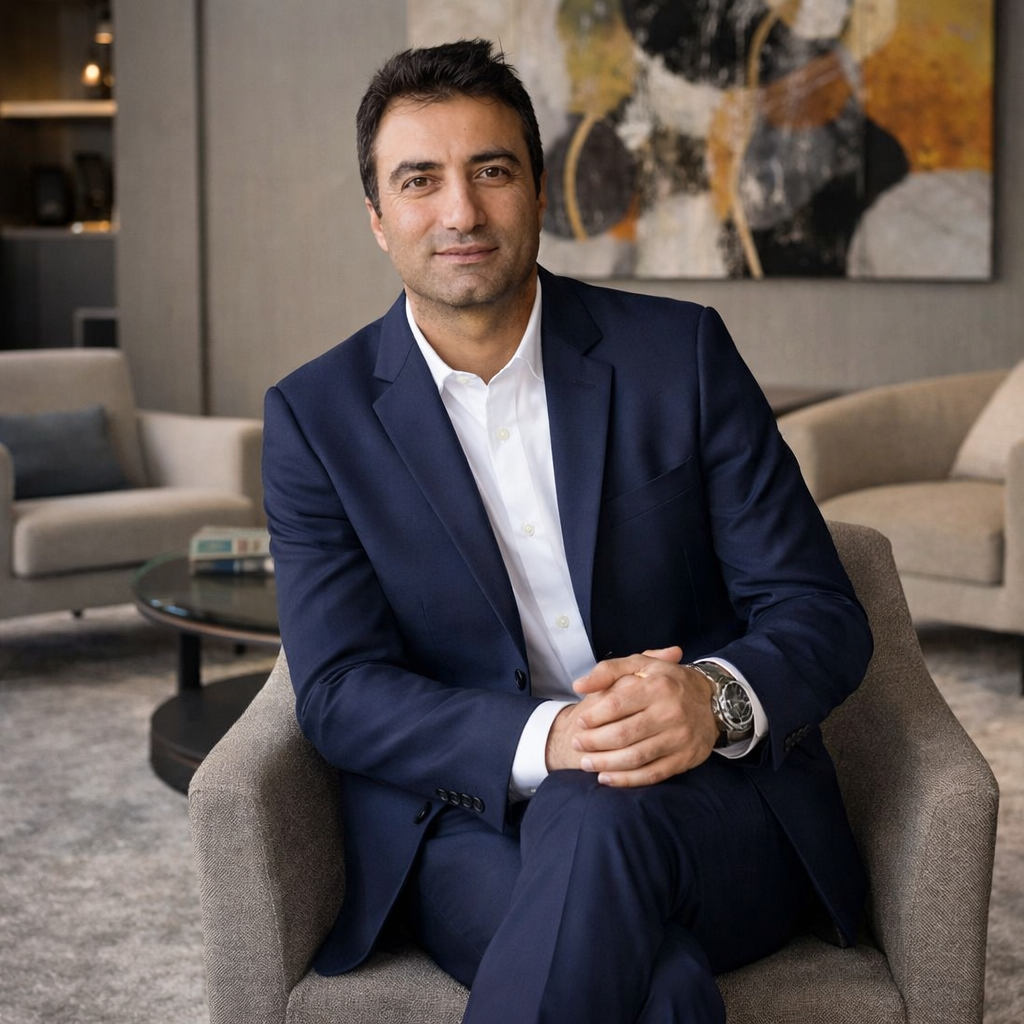
Today, Nexrone manages growth processes for companies that want to sell their products and services in different markets. We operate primarily in Turkey, but also through offices in Germany, the Netherlands, and Austria.
Since 2021, we have built a broad global partnership network across Europe, as well as in the United States and Asia.
Every company wants to become global. However, without being local in a market, it is extremely difficult to establish a strong presence there. Our clients operate in many different industries, and each company has its own strategy and goals when entering new markets.
“Many Turkish startups have excellent products, but global visibility requires strategy, partnerships, and persistence.”
Operating in multiple countries, opening offices, and building teams is both costly and complex. Companies must understand regulations, culture, and local business practices. Knowing the ecosystem and having a trustworthy track record is equally important.
A strong global network is incredibly valuable for growth. It’s not just about speaking the language—adapting to the culture is often even more important.
This is exactly where Nexrone steps in. Through a wide network—from venture capital firms in Silicon Valley to partners in Korea, Japan, Indonesia, and India—we closely monitor technological opportunities and guide companies with innovation and strategic insights.
We provide our clients with vision, business development models, and opportunities to grow in global markets.
Our partners include organizations such as the U.S.-based AI company ElevenLabs, valued at more than $8 billion; Turkish Airlines, with a valuation exceeding $4 billion; the Uzbekistan State Fund; Proto Hologram, a global leader in hologram technologies; the Austrian AI company Upstrive; and Tech Summit, one of the important players in India’s technology ecosystem.
Building a network of this scale can take decades for most companies. We offer our clients the connections, experience, and growth opportunities that significantly accelerate that journey.
How did “Road to Global” emerge, and what are the strategic goals of the conference?
Since 2022, I have also been writing and producing content for CNN Türk about global markets, technology ecosystems, and investments. I frequently speak or participate as a panelist at major international events across Europe, sharing my experiences.
During these travels, I noticed a significant gap. Many Turkish companies and founders wanted to showcase their products at global trade fairs, but they were rarely on the main stage. Instead, they often tried to make themselves visible through small booths at large events.
To appear on those big stages, companies usually need to be locally established and recognized in those countries. Even when their products were strong, they often lacked visibility in the market. That observation sparked the initial idea for Road to Global.
At the same time, there are many technology events worldwide, and their themes constantly change. At one point mobile technologies dominated discussions; during the pandemic, NFTs and the metaverse were trending. Today, AI summits are at the forefront.
But as trends change, event themes often lose relevance. We decided to focus on something more permanent: globalization.
“Speaking the language of a market is not enough — understanding its culture is what really determines success.”
Road to Global was designed as an experience platform where the strategies behind global success stories are discussed. Our goal is to bring together companies and entrepreneurs with global ambitions and help create collaborations.
Since 2024, we have been organizing Road to Global and Local to Global events in several countries. This year, events will take place in Vienna, Istanbul, Izmir, Ankara, Düsseldorf, Berlin, Madrid, Nuremberg, and Amsterdam.
What are your three most important recommendations for Turkish companies aiming to expand internationally?
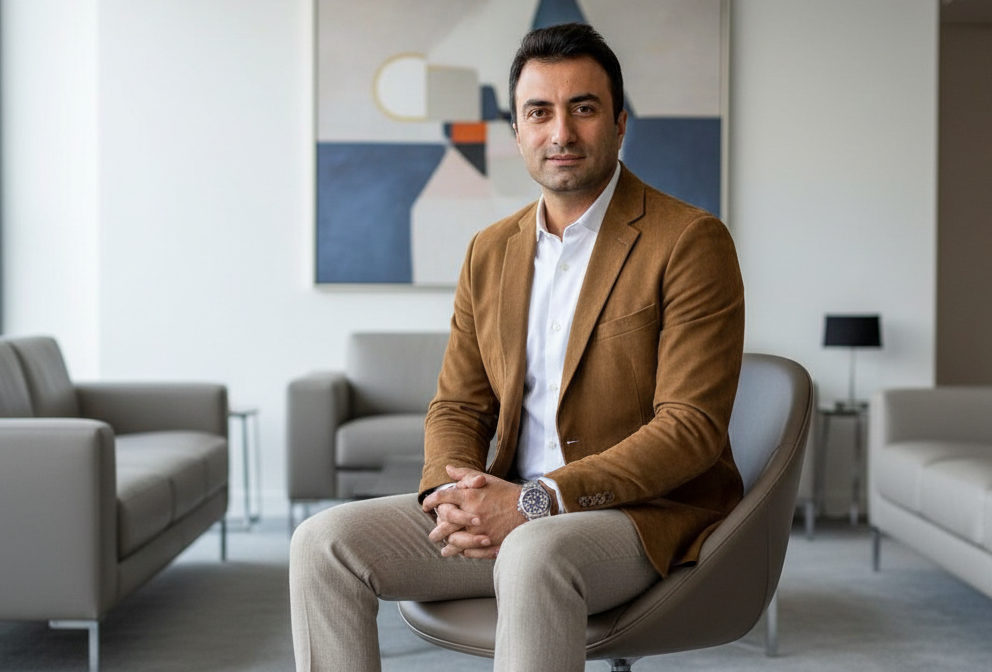
First, many entrepreneurs stay within their comfort zone. Turkey has amazing companies, but sometimes founders sell their companies to foreign corporations after scaling them and then step aside. My first recommendation is not to give up too early and to set bigger goals.
Second, we live in an era defined by speed. With the rise of artificial intelligence, global boundaries are being redrawn. Companies need to optimize their resources and seek the right support to access new markets faster.
Third, companies should build strategies that leverage local partnerships. Entering a market and spending another ten years building a presence from scratch is simply too expensive today.
How do you evaluate the startup ecosystem in Turkey?
We tend to praise ourselves a lot, but unfortunately the world does not know us well enough yet. In many European ecosystem reports, Turkey is not even included.
This is not only due to external factors. Sometimes we also limit ourselves by staying within our own ecosystem.
Turkey has produced impressive success stories in the gaming industry and rapidly growing companies in the defense sector. However, although the number of startups is high, the number of truly high-quality global startups is still limited.
We also have relatively few venture capital funds, and investment volumes have declined in recent years.
That said, we have a very agile and fast-reacting entrepreneurial community. If we focus our energy more on international markets instead of competing among ourselves, I believe we can grow much faster.
What are the most common mistakes startups make when going global, and how does Nexrone make a difference?
One of the biggest mistakes is accepting media coverage from their own channels as real data. Building strategies based on hearsay or incomplete information can also create serious risks.
Another issue is insufficient market research before entering a new market. Without the right partnerships, companies often face negative outcomes.
A third common mistake is having teams composed of only one nationality. In international markets, teams that understand both the language and the culture have a significant advantage.
At Nexrone, about half of our partners come from different continents and markets. This diversity provides a much stronger strategic and cultural perspective.
We also help companies minimize risks such as launching operations in the wrong country or facing heavy regulatory barriers.
Which technology and innovation trends do you expect to dominate the next five years?
Over the past 20 years, many technology trends have come and gone quickly. However, artificial intelligence is creating a much larger transformation.
Many knowledge-based jobs are already changing rapidly.
“Artificial intelligence is not just another trend — it is reshaping how global businesses operate.”
Advancements in robotics will also lead to the growth of new industries, and the service sector will experience significant changes. Companies investing in technology will grow, while workforce transformation in certain areas will be inevitable.
For agile and adaptable companies, the coming years will present enormous opportunities for global expansion.
What tangible value do platforms like Road to Global provide for entrepreneurs?
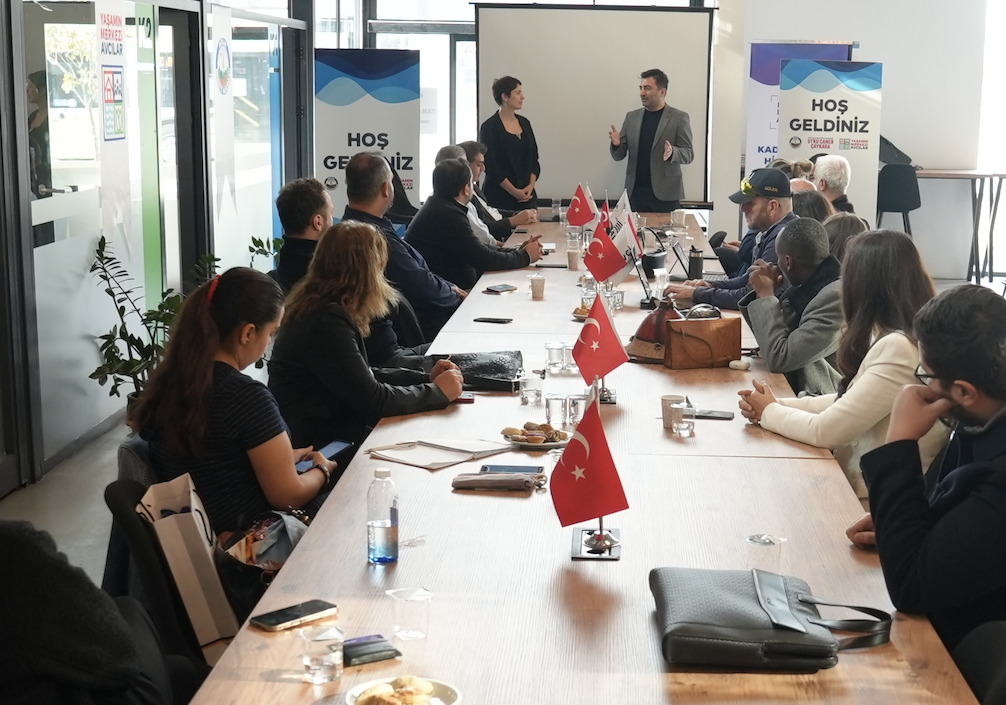
Our platform creates different opportunities for institutions, companies, and entrepreneurs.
In our first year alone, the total value of agreements between investors and entrepreneurs exceeded $20 million. We hosted 50 international speakers from 25 countries.
This year we have also established new collaborations with partners from the Asian ecosystem, including Tech Jobs Fair and Tech Summit.
On May 20–21, as part of the ViennaUP Startup Festival, we will host more than 70 international speakers.
Through programs like Road to Global Investor Breakfast and Shining Stars on Stage, we bring together investors, corporations, and startups. Our goal is to become the starting point for new global success stories.
What was the most challenging moment in your entrepreneurial journe
The core responsibility of an entrepreneur is solving problems. That means every day can be challenging.
The biggest difficulty is not giving up—and being able to start again when necessary.
There are times when your energy drops and you question yourself. In those moments, it is important not to make emotional decisions and to stay calm.
If you can overcome those phases, success and recognition eventually follow.
What are your future goals—for Nexrone and personally?
Nexrone has now become a global company and continues to grow through new investments and partnerships. Today, the combined value of our partners exceeds $20 billion.
Our main goal moving forward is to expand this ecosystem further, strengthen our global connections, and increase the visibility of our companies in international markets.
Related Posts





“You Can’t Go Global Without Leaving Your Comfort Zone”
We spoke with Ersoy Soyer, founder of Nexrone, about his entrepreneurial journey, the strengths and weaknesses of Turkey’s startup ecosystem,...


War Drives Up Pump Prices Across Germany
Escalating military tensions between Iran and the United States continue to shake global energy markets, with the effects now clearly...


Turkey Now Included in “Made in Europe” Framework
The European Union has included Turkey in its new “Made in Europe / Made in EU” policy framework aimed at...


Turkey Inflation Hits 31.53% in February
According to the Turkish Statistical Institute (TÜİK), consumer prices in Turkey rose 2.96% month-on-month in February 2026, bringing annual inflation...


How Much Did Turkey’s Economy Grow in 2025?
TÜİK data shows Turkey’s economy expanded 3.6% in 2025, with weaker-than-expected fourth-quarter growth pointing to slowing economic momentum.


Turkey’s Credit Rating Upgraded After 8 Years
Turkey’s long-term foreign currency credit rating has been upgraded for the first time in eight years, reflecting growing confidence in...


18 Thousand Participants From 80 Countries Met In Dubai For E-Commerce!
WORLDEF DUBAI 2026, the largest e-commerce event in the MENA region, brings together over 18,000 participants from more than 80...


Turkish Game Company Peak Games Sold to Zynga for $1 Billion
Istanbul-based game developer Peak Games has been acquired by U.S. gaming giant Zynga for approximately $1 billion, marking one of...


$100,000 State Support per TV Episode in Türkiye
Turkey’s Culture and Tourism Ministry introduces a new incentive program offering up to $100,000 per episode to strengthen the country’s...
Stop Blaming Your Marketing Budget
Funda Celebi | Cybersecurity Marketing Expert Early in my career, I was the “everything else” person at a cybersecurity startup....