
News
Why Is the Euro Rising? 5 Key Reasons Behind the Turkish Lira’s Decline
Why does the Euro continue to gain value while the Turkish Lira steadily weakens? From inflation and central bank policies to trade deficits and investor confidence – five key factors explain the sharp rise in exchange rates.

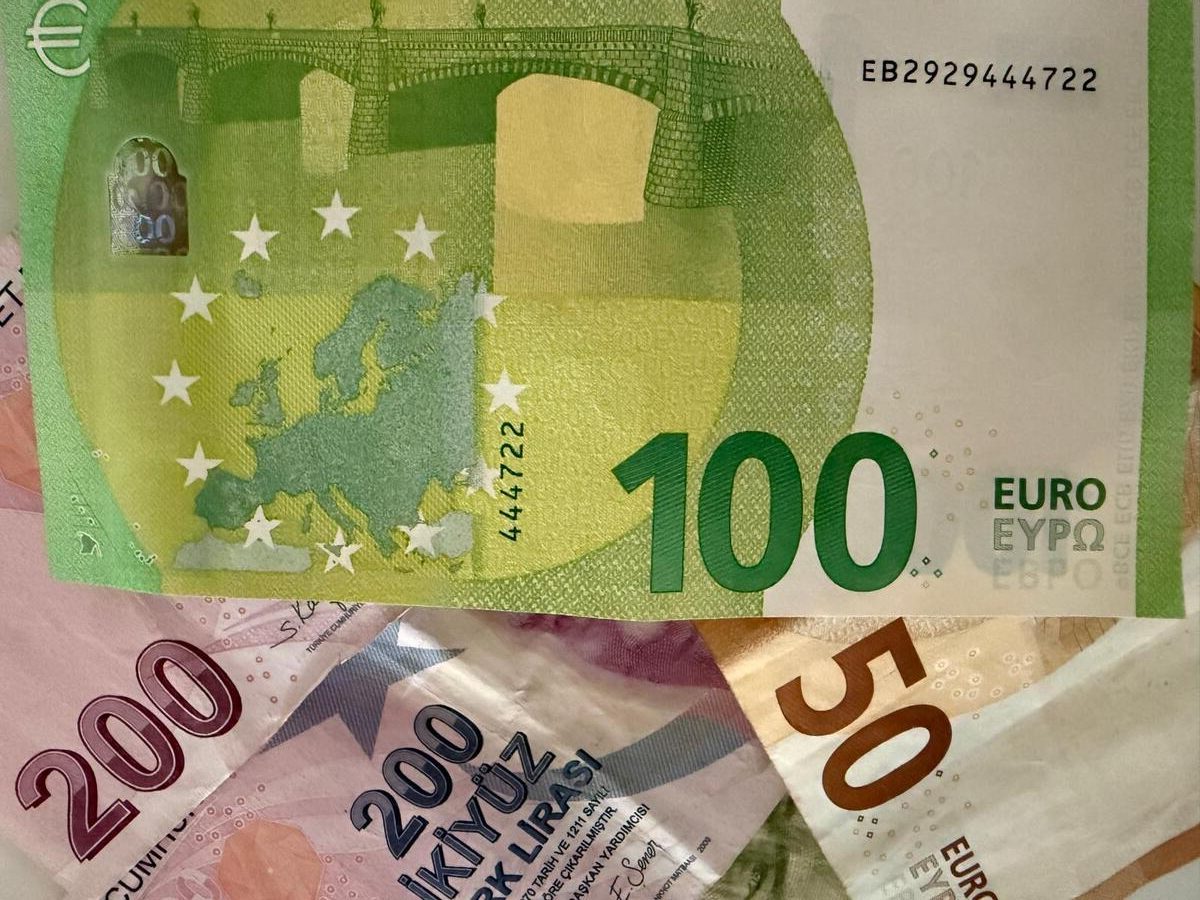
Exchange rates remain one of the most debated issues in the Turkish economy. The ongoing surge in the Euro/TL rate affects not only imports and exports but also directly impacts household budgets. So, why is the Euro so strong, and why does the Lira keep losing ground? Here are the reasons as of 2025:
1. Inflation and Interest Rate Policy in Turkey
Turkey has been battling high inflation for years. Annual consumer price inflation has climbed close to 60%, while the Central Bank’s interest rate moves are often delayed or insufficient.
The value of a currency depends on confidence. As trust in the Lira erodes, its value falls. High inflation reduces purchasing power, pushing investors and citizens toward foreign currencies.
When interest rate hikes come too late, demand for foreign exchange grows – exactly what has been happening with the Lira.
2. The Impact of the European Central Bank (ECB)
The ECB plays a decisive role in the Euro’s strength. In 2024 and 2025, the bank maintained its strategy of keeping interest rates steady while bringing inflation under control. This approach has bolstered investor confidence in the Euro.
As a result, the supply of Euro remains stable and its value preserved, while the Lira continues to weaken.
3. Turkey’s Trade Deficit3.
The Turkish economy is heavily dependent on imports – particularly in energy, industrial raw materials, and technology. This creates constant demand for foreign currency.
By the end of 2024, Turkey’s trade deficit exceeded 110 billion US dollars.
With such a large need for foreign exchange, if insufficient inflows enter the country, the Lira inevitably loses value and exchange rates rise.
4. Central Bank Reserves and Market Confidence
The Central Bank’s net foreign exchange reserves fluctuate constantly. Periods when net reserves excluding swaps fall into negative territory severely undermine confidence in the markets.
The lower the reserves, the more cautious investors become toward the Lira. This leads to higher demand for foreign currencies and further increases in exchange rates.
When the Central Bank’s coffers are depleted, markets inevitably turn to the Dollar and the Euro.
5. Investor Confidence and Geopolitical Risks
Political instability, lack of judicial independence, strained foreign relations, and poor economic predictability weigh heavily on investor sentiment. Geopolitical risks, in particular, are a major driver of the Lira’s weakness.
For foreign investors, the Lira is perceived as a high-risk asset, while the Euro stands out as a safe haven.
In short, the Euro’s strength is fueled not only by global factors but also by Turkey’s internal challenges. Inflation, monetary policy, foreign debt, and lack of confidence keep the Turkish Lira under heavy pressure in 2025.
Related Posts







Metehan Türkay: Real life is much funnier than my content
On one side, B2B sales processes for over 140 companies; on the other, social media content poking fun at the...


Aslı Gümüşel: Looks sell the first bottle. The product sells the second.
Aslı Gümüşel, who has expanded Ashley Joy into 15 countries, spoke to Trbusiness.de about her entrepreneurial journey, the invisible hurdles...
Türkiye Launches AI Revolution: 1 Trillion TL Investment in the Future of Technology
Yeşim Çevik | trbusiness.de Germany Representative Looking at the global startup and venture capital scene, I see a clear picture:...


A Timeless Experience in the Heart of the City
Abdullah Şancı, General Manager of Ramada by Wyndham Istanbul Old City, spoke with trbusiness.de about the changing dynamics of Istanbul...
AI in Logistics: Turkish AI Startup Raises $3.2 Million
Yeşim Çevik | trbusiness.de Germany Representative Founded in 2025, Munich-based startup 5U AI has raised more than €2.7 million ($3.2...
Why Does the Best Offer No Longer Win?
Onur Kurtay | Founder of Nexon Global Strategy Office For years, there was a fixed equation in the minds of...
Global Expansion: Timing Decides Everything
Yeşim Çevik | trbusiness.de Germany Representative Why international expansion requires more strategy than courage “We are entering the US market...


Türkiye Higher Education Employment Indicators 2025: Medicine and Aviation Lead Job Market Success
New official employment data reveals Türkiye’s top-paying university degrees, fastest-hiring career sectors, and graduate job market trends for 2025.


“Technological Transformation is No Longer Measured in Years, but in Months”
Celalettin Kayahan, Board Member of TSMC Holding, speaks to trbusiness.de about his journey from the textile industry to high-tech ventures,...
You Don’t Export to Germany; You Build Systems There
Onur Kurtay | Founder of Nexon Global Strategy Office Germany is the country to which Turkey exports the most. This...