
Columnists
How the Cost of Living in 2025 Hit Our Wallets

Gülay Yıldırım Kavak
The year 2025 proved to be another challenging period in the global search for price stability. Yet the impact of this search varied significantly from one country to another. For those already living in Germany as immigrants—or planning to move there—the economic picture became especially tangible, and at times, unsettling.
Let’s take a closer look at Germany in 2025 and how the year’s inflation trends in Turkey shaped perceptions from a migrant’s perspective.
Germany 2025: Calm on Paper, Pressure in Daily Life
Official figures show a seemingly stable picture: Germany’s consumer price index fluctuated modestly between 2.1 and 2.2 percent. But what looked calm statistically translated into very real pressure in everyday life. Food and clothing, in particular, became the two biggest budget burdens for most households.
Supermarket prices climbed noticeably. Fruits, vegetables, dairy products and other basic goods were among the most heavily affected categories. Even for someone living alone, weekly shopping became significantly more expensive compared with the previous year.
Housing, however, remains a story of its own. Rental prices—already one of Germany’s most hotly debated issues—continued to rise in 2025. In major cities such as Berlin, Hamburg and Frankfurt, finding an affordable apartment has become nearly impossible. For immigrants, this means the search for housing is not only long but increasingly costly.
Another standout expense was clothing and footwear. Price hikes in several months of 2025 began straining budgets more than expected.
On the transportation side, falling fuel prices provided brief relief, but the overall cost of mobility—public transport, maintenance, insurance and daily commuting—remains high. Car owners and public transport users alike now need to plan transportation spending with greater care.
So What Does This Mean for Immigrants?
In essence: the cost of living in Germany is still manageable, but no longer effortlessly so. Careful budgeting has become essential, especially for anyone living on a fixed income. Rising food and clothing prices, ongoing uncertainty in the housing market and persistent transportation costs made 2025 a year in which “smart spending” turned into a necessity.
And yet Germany remains attractive. With its high living standards, stable income opportunities and a strong social system, it still offers a solid foundation for those seeking a secure life. Entering 2026, one thing hasn’t changed: a good life in Germany is still within reach—just with more realistic expectations and a stronger focus on planning.
Turkey 2025: High Inflation and the Struggle for Basic Needs
The situation in Turkey was far more difficult. As of 2025, annual inflation remained extremely high. Price increases in housing, food, clothing and other essentials placed immense pressure on household budgets.
For many families, financial planning became precarious. Countless people found their incomes insufficient to cover basic expenses, leading to significant declines in living standards.
In short: living in Turkey in 2025 meant struggling even to maintain a minimum standard of living. For those living in Germany—or planning to migrate—the picture was different, but still demanded caution and strategic financial thinking.
Advice for Migrants Heading into 2026
If you are living in Germany as an immigrant or planning to move soon, the lessons from 2025 are clear:
- Plan your budget carefully. Rent, food, clothing, transportation and unexpected expenses are all rising.
- Shop strategically. Compare prices, track discounts, shop in bulk and choose budget-friendly markets.
- Stay flexible in your housing search. Major cities are expensive. Suburbs, transport-connected districts or even shared flats can be viable alternatives.
- Maintain a stable income-to-expense ratio. Monitor monthly spending closely. Side jobs or additional income streams may help.
As we move toward 2026, whether in Germany or Turkey, the true determinant of living standards is no longer the economic climate itself—but how we respond to it. Even amid complex economic conditions, building a sustainable life is still possible.
Don’t lose hope: 2026 will bring new opportunities and a better life for those who plan wisely and act deliberately.
Related Posts











Metehan Türkay: Real life is much funnier than my content
On one side, B2B sales processes for over 140 companies; on the other, social media content poking fun at the...


Aslı Gümüşel: Looks sell the first bottle. The product sells the second.
Aslı Gümüşel, who has expanded Ashley Joy into 15 countries, spoke to Trbusiness.de about her entrepreneurial journey, the invisible hurdles...
Türkiye Launches AI Revolution: 1 Trillion TL Investment in the Future of Technology
Yeşim Çevik | trbusiness.de Germany Representative Looking at the global startup and venture capital scene, I see a clear picture:...
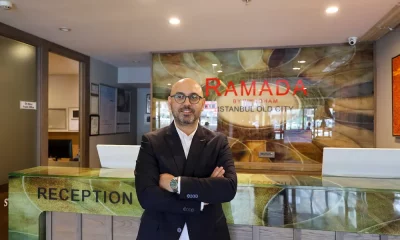

A Timeless Experience in the Heart of the City
Abdullah Şancı, General Manager of Ramada by Wyndham Istanbul Old City, spoke with trbusiness.de about the changing dynamics of Istanbul...
AI in Logistics: Turkish AI Startup Raises $3.2 Million
Yeşim Çevik | trbusiness.de Germany Representative Founded in 2025, Munich-based startup 5U AI has raised more than €2.7 million ($3.2...
Why Does the Best Offer No Longer Win?
Onur Kurtay | Founder of Nexon Global Strategy Office For years, there was a fixed equation in the minds of...
Global Expansion: Timing Decides Everything
Yeşim Çevik | trbusiness.de Germany Representative Why international expansion requires more strategy than courage “We are entering the US market...


Türkiye Higher Education Employment Indicators 2025: Medicine and Aviation Lead Job Market Success
New official employment data reveals Türkiye’s top-paying university degrees, fastest-hiring career sectors, and graduate job market trends for 2025.


“Technological Transformation is No Longer Measured in Years, but in Months”
Celalettin Kayahan, Board Member of TSMC Holding, speaks to trbusiness.de about his journey from the textile industry to high-tech ventures,...
You Don’t Export to Germany; You Build Systems There
Onur Kurtay | Founder of Nexon Global Strategy Office Germany is the country to which Turkey exports the most. This...