
News
Green Energy Race: Where Do Turkey and Germany Stand in 2025?
Turkey has achieved record-breaking progress in solar energy, while Germany, despite historic approvals in wind power, is struggling with weather-related setbacks. So, where do both countries stand in the renewable energy race in 2025?

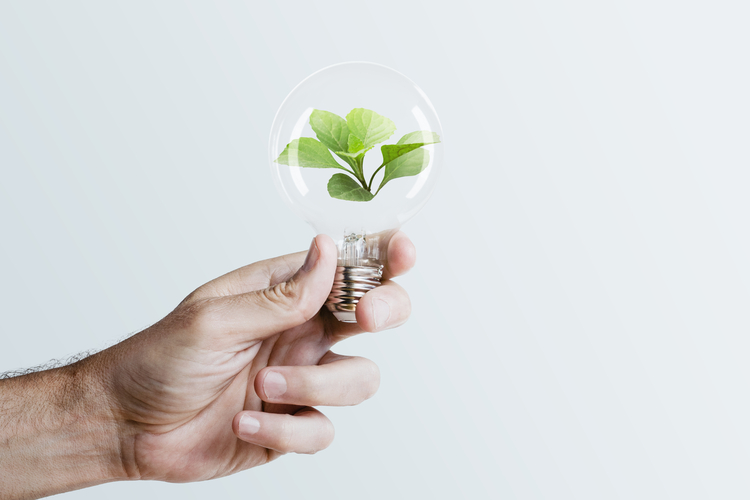
Green energy refers to electricity produced from renewable, non-depleting sources such as the sun, wind, and water. Unlike fossil fuels, these resources do not harm nature and ensure sustainable energy production for future generations.
Both Turkey and Germany have made massive investments in renewables over the past decade, aiming to reduce dependency on fossil fuels and cut carbon emissions.
Germany: Ambitious Targets, Weather Challenges
In the first half of 2025, renewables accounted for 54% of Germany’s electricity generation, down from 57% in 2024. Experts attribute this decline mainly to weaker wind conditions and reduced hydropower output.
Still, Germany is pushing ahead. A record 7.8 GW of new wind power capacity received approval, while solar power generation grew by 23% compared to last year. The Berlin government continues to pursue its ambitious target of generating 80% of electricity from renewables by 2030.
“The most effective way to cut carbon emissions is to invest in renewable energy sources,” say energy experts.
Turkey: Surpassing Solar Targets Ahead of Time
Turkey has experienced a remarkable surge in solar and wind power. By the end of 2024, the country’s solar energy capacity reached 19.6 GW, surpassing its 2025 target one and a half years earlier. By March 2025, capacity rose further to 21.6 GW.
Wind power is also growing steadily, with capacity exceeding 13 GW. Combined, solar and wind now account for 30% of Turkey’s installed capacity—a historic milestone.
This rapid growth is also reflected in the economy: Turkey’s natural gas imports fell by $15 billion, as renewable energy output replaced fossil fuels. In 2024, solar electricity production increased by 39% year-on-year, with wind and solar surpassing domestic coal for the first time.
Key Figures at a Glance (2025)
| Criteria | Germany | Turkey |
|---|---|---|
| Share of renewables | 54% (H1 2025) | 30% (solar + wind) |
| Solar capacity | +23% output growth | 21.6 GW |
| Wind capacity | +7.8 GW approved | 13 GW |
| 2030 target | 80% renewables | Capacity expansion |
Two Countries, Different Strengths
While Germany leads with infrastructure, long-term planning, and technology, Turkey is making headlines with rapid growth in solar and wind.
Germany’s reliance on weather conditions can cause short-term declines, but its systematic strategy ensures steady progress toward the 2030 target. Turkey, meanwhile, is reaping immediate benefits by reducing energy imports and increasing domestic renewable output.
Both nations are heading toward the same goal—a sustainable and independent energy future—but with very different approaches.
“The key to energy independence lies in nature’s self-renewing sources.”
Source: TÜİK, Umwelt Bundesamt, Clean Energy Wire, Energy Policy Review, Ember
Related Posts






Metehan Türkay: Real life is much funnier than my content
On one side, B2B sales processes for over 140 companies; on the other, social media content poking fun at the...


Aslı Gümüşel: Looks sell the first bottle. The product sells the second.
Aslı Gümüşel, who has expanded Ashley Joy into 15 countries, spoke to Trbusiness.de about her entrepreneurial journey, the invisible hurdles...
Türkiye Launches AI Revolution: 1 Trillion TL Investment in the Future of Technology
Yeşim Çevik | trbusiness.de Germany Representative Looking at the global startup and venture capital scene, I see a clear picture:...


A Timeless Experience in the Heart of the City
Abdullah Şancı, General Manager of Ramada by Wyndham Istanbul Old City, spoke with trbusiness.de about the changing dynamics of Istanbul...
AI in Logistics: Turkish AI Startup Raises $3.2 Million
Yeşim Çevik | trbusiness.de Germany Representative Founded in 2025, Munich-based startup 5U AI has raised more than €2.7 million ($3.2...
Why Does the Best Offer No Longer Win?
Onur Kurtay | Founder of Nexon Global Strategy Office For years, there was a fixed equation in the minds of...
Global Expansion: Timing Decides Everything
Yeşim Çevik | trbusiness.de Germany Representative Why international expansion requires more strategy than courage “We are entering the US market...


Türkiye Higher Education Employment Indicators 2025: Medicine and Aviation Lead Job Market Success
New official employment data reveals Türkiye’s top-paying university degrees, fastest-hiring career sectors, and graduate job market trends for 2025.


“Technological Transformation is No Longer Measured in Years, but in Months”
Celalettin Kayahan, Board Member of TSMC Holding, speaks to trbusiness.de about his journey from the textile industry to high-tech ventures,...
You Don’t Export to Germany; You Build Systems There
Onur Kurtay | Founder of Nexon Global Strategy Office Germany is the country to which Turkey exports the most. This...